
Committees
- Home
- /
- Committees
Association Board of Directors
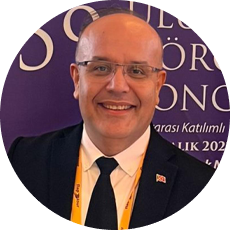
Prof. Dr. Semih GİRAY
President
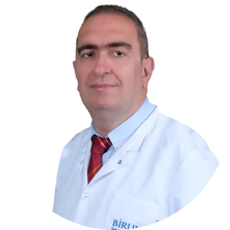
Prof. Dr. Talip ASİL
Vice President
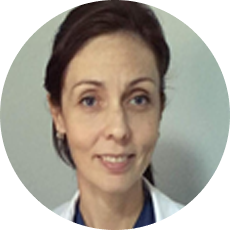
Prof. Dr. Ayça ÖZKUL
Secretary General
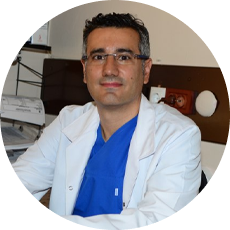
Prof. Dr. Atilla Özcan ÖZDEMİR
Treasurer
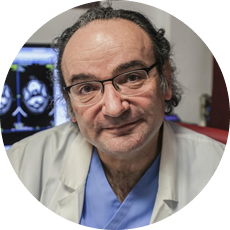
Prof. Dr. Mehmet Akif TOPCUOĞLU
Member
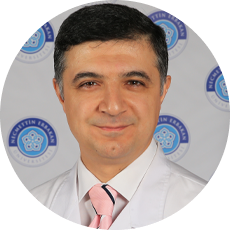
Prof. Dr. Hasan Hüseyin KOZAK
Member
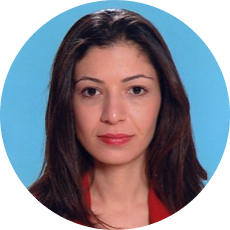
Prof. Dr. Özlem KAYIM YILDIZ
Member
International Speakers
Click on a speaker's name to view their biography.
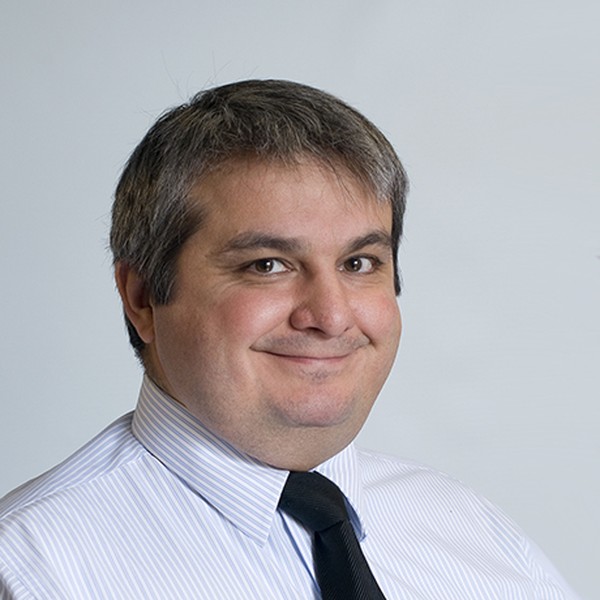
Dr. M. Edip Gürol
Harvard Medical School / Massachusetts General Hospital, Boston, USA
BiographyM. Edip Gurol, MD, is Associate Professor of Neurology at Harvard Medical School and Associate Neurologist in the Department of Neurology at Massachusetts General Hospital, Boston, where he also serves as a clinician investigator at the Mass General Research Institute. He received his medical degree from Istanbul University School of Medicine in 1994.
He is a stroke neurologist with particular expertise in the care of patients at high risk for both ischemic (blockage type) strokes and hemorrhages. His NIH-funded research focuses on clarifying the mechanisms of brain small vessel diseases that increase the risk of both types of stroke, with a special interest in cerebral amyloid angiopathy, intracranial hemorrhage, leukoaraiosis, siderosis and vascular cognitive impairment.
Dr. Gurol is an internationally recognised expert in stroke prevention for patients with atrial fibrillation and high hemorrhagic risk. His current projects include structural and functional MRI predictors of hemorrhage recurrence and disease progression in cerebral amyloid angiopathy, the molecular mechanisms of brain injury in age-related cerebral small vessel diseases, and defining the best pharmacological versus non-pharmacological management strategies for patients with atrial fibrillation at risk of intracranial hemorrhage.
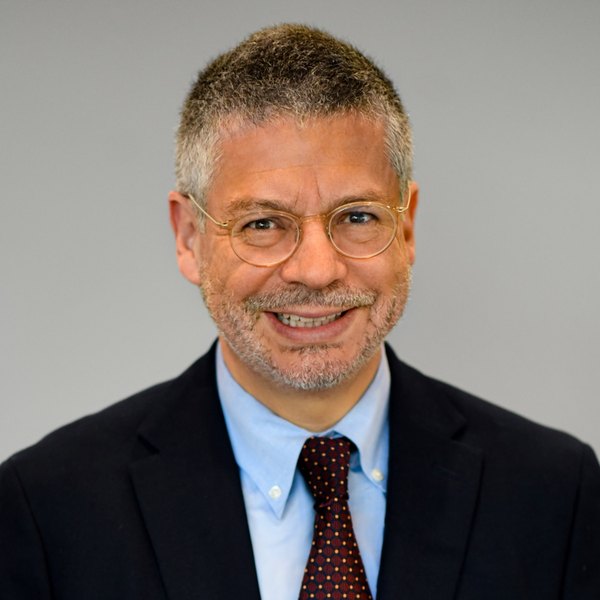
Prof. Dr. José G. Merino
Georgetown University School of Medicine, USA
BiographyJosé G. Merino, MD, MPhil, FAHA, FAAN, is Editor-in-Chief of Neurology and Professor in the department of neurology at the Georgetown University School of Medicine.
He studied medicine at the Universidad Anáhuac in Mexico City and obtained a Master of Philosophy degree on the history of medicine from the University of Cambridge in England. He trained in the joint neurology and psychiatry program at the Albert Einstein College of Medicine / Montefiore Medical Center and in stroke at the University of Western Ontario, where he also obtained a graduate certificate in clinical epidemiology.
He has worked as faculty and clinical staff at the NINDS, the University of Florida, Johns Hopkins Medicine, and the University of Maryland and now, Georgetown University. His research and clinical work have focused on the care of patients with acute stroke. He is a member of the Board of Directors of the AAN, where he has served in several committees and task forces.
Throughout his career, Dr. Merino has been engaged in editorial pursuits. He has been a member of the editorial board of Stroke, the Revista Mexicana de Neurociencia, and Brain & Life en Español. He was science editor of AAN.com, the website of the American Academy of Neurology, from 2009 to 2011. For several years, he was co-editor of Blogging Stroke, the blog of the Stroke journal. More recently, from 2012 until 2019, he was The BMJ's US Research Editor. He became Editor-in-Chief of Neurology and the Neurology family of journals in April 2020.
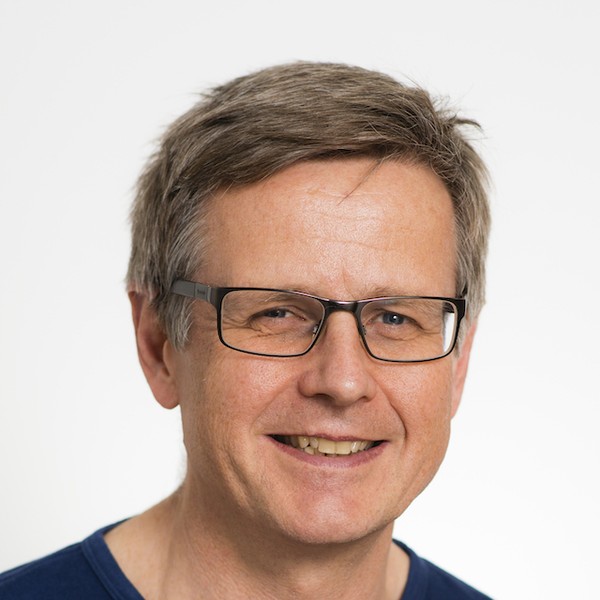
Prof. Dr. Jens Erik Nielsen-Kudsk
Aarhus University Hospital, Skejby, Denmark
BiographyJens Erik Nielsen-Kudsk, MD, DMSc, is Clinical Professor of Cardiology at Aarhus University Hospital, Skejby, Denmark. Born in Aarhus in 1960, he graduated from medical school in 1986 and completed his specialist training in internal medicine and cardiology in Aarhus and Copenhagen.
He has served as a consultant cardiologist since 1998, initially focusing on heart transplantation and pulmonary hypertension, and subsequently specialised in interventional cardiology with particular expertise in congenital and structural heart disease. Over the course of his career he has performed more than 5,000 transcatheter structural heart interventions. He participated in the pivotal randomised clinical trials on patent foramen ovale (PFO) closure and was the first to describe and perform high-pressure balloon fracturing of aortic bioprostheses prior to valve-in-valve TAVI.
His extensive experience in congenital heart interventions led to an early interest in left atrial appendage closure (LAAC) for stroke prevention in patients with atrial fibrillation. In 2010 he established the Danish LAAC programme, and Aarhus University Hospital has since become one of Europe's leading centres for LAAC procedures. From the outset he implemented the routine use of cardiac CT for procedural planning and post-procedural follow-up, and he is among the pioneers in the use of intracardiac echocardiography for procedural guidance during LAAC.
Professor Nielsen-Kudsk has initiated and contributed to numerous clinical studies in the field of LAAC, with a strong focus on clinical outcomes and advanced imaging. He has authored more than 300 scientific publications, is a frequent invited speaker at international conferences and has served as a proctor for LAA procedures worldwide.
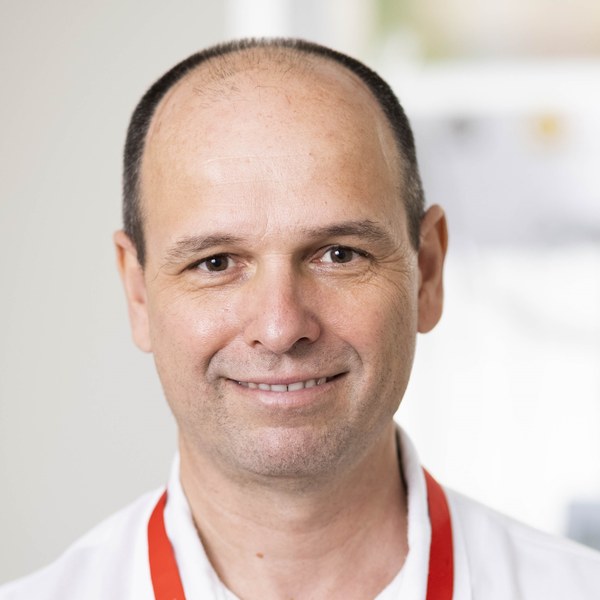
Prof. Dr. Robert Mikulik
Masaryk University / Tomas Bata Regional Hospital, Zlín, Czech Republic
BiographyRobert Mikulik, MD, PhD, is Professor of Neurology at Masaryk University, Head of the Department of Neurology at Tomas Bata Regional Hospital in Zlin, Czech Republic and Chair of the Health Management Institute. He is one of the founding investigators of the International Clinical Research Center (ICRC) at St. Anne's University Hospital in Brno, where he leads the Stroke Research Program.
He is the founder of RES-Q, a global academic platform for monitoring and improving the quality of stroke care, and Chair of RES-Q+, a large EU-funded research project focused on digital innovation and quality improvement in stroke care. He also founded and chairs STROCZECH, the Czech national network for investigator-initiated stroke trials within the CZECRIN large research infrastructure, and initiated and led the ESO-EAST programme supporting stroke care improvement across Eastern Europe.
His research spans translational stroke research, including the preclinical development and evaluation of novel and combination reperfusion therapies, as well as acute stroke treatment, healthcare organization, data-driven quality improvement, and the application of AI and digital technologies in stroke care. He serves as Vice-Chair for Science and Research of the Czech Society for Artificial Intelligence and Innovative Digital Technologies in Medicine.
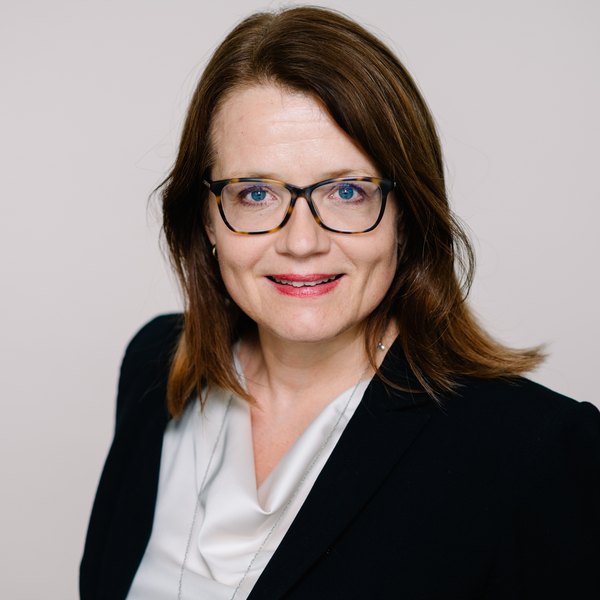
Prof. Dr. Anne Hege Aamodt
Oslo University Hospital, Norway
BiographyProfessor Anne Hege Aamodt, MD, PhD, FESO, FEAN, is a Senior Consultant Neurologist and Chair of the Stroke and Headache Research Group at Oslo University Hospital, Norway.
She is a Member of the Board of Directors of the European Stroke Organisation (ESO) and Chair of the Stroke Panel of the European Academy of Neurology (EAN). She is also an Honorary Professor at the University of Liverpool, UK, and Chair of the Scientific Advisory Board of the Norwegian Centre for Headache Research (NorHead) at the Norwegian University of Science and Technology.
Her clinical and research interests include acute stroke, reperfusion therapy, cardioembolic stroke, stroke prevention, and headache disorders.
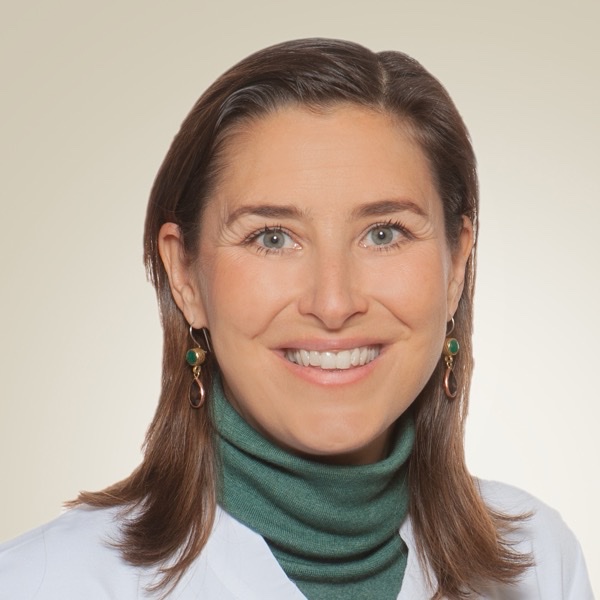
Dr. Mira Katan
Department of Neurology, University Hospital of Basel, Switzerland
BiographyMira Katan received her MD from the University of Zurich and was trained in Neurology at the University Hospital of Basel (both in Switzerland) before she moved to New York (US) for a research fellowship and a Master's degree in clinical epidemiology and biostatistics at Columbia University. She is currently Chair of the Department of Neurology at the University Hospital of Basel.
She is broadly interested in the diagnosis, management, treatment and outcome of patients with acute neurological diseases, and especially of patients with acute ischemic stroke. Her research focuses on the identification, evaluation and validation of different blood biomarkers in stroke patients to provide more precise information (i.e. a precision medicine approach) for advanced early risk stratification, as well as improved identification of the underlying stroke etiology for individually tailored secondary prevention. In this context she also has a special interest in the brain and heart interaction as well as interactions with the neuroendocrine system.
She has initiated and conducted several prospective large cohort studies (COSMOS, Co-RISK, BIOSIGNAL, CRESCENDO) and built up a multicenter blood biobank of acute ischemic stroke patients. Moreover, she is the Sponsor-Investigator of the international MOSES trial (ClinicalTrials.gov Identifier: NCT03961334), the first blood biomarker-guided trial in secondary stroke prevention in Europe. Her research activities are reflected in numerous peer-reviewed publications as well as in several awards. She is currently a member of the editorial boards of Neurology, the European Stroke Journal and Stroke, among others.
Hozan Radhi
The biography and photo of this speaker will be added soon.
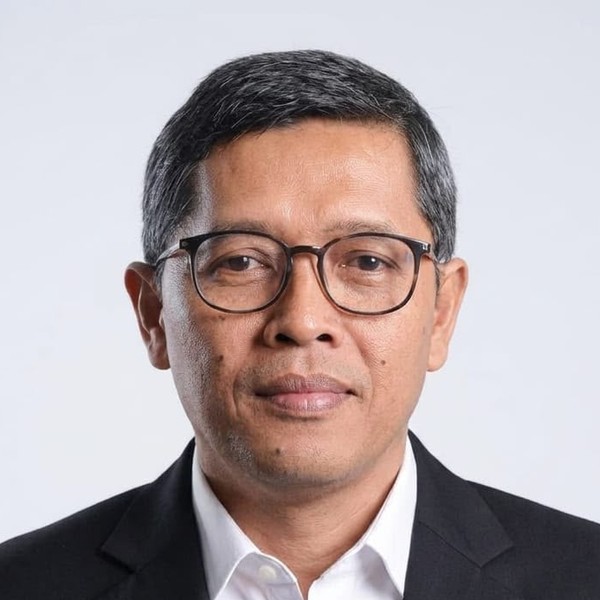
Dr. Achmad Firdaus Sani
Dr. Soetomo General Academic Hospital / Universitas Airlangga, Surabaya, Indonesia
BiographyDr. Achmad Firdaus Sani is an interventional neurologist and Head of Interventional Neurology in the Department of Neurology at Dr. Soetomo General Academic Hospital in Surabaya, Indonesia, a WSO Angels Award centre, and a faculty member of Universitas Airlangga.
He has chaired the Indonesian Neurointervention Study Group since 2019 and is Editor-in-Chief of JNeViS, the Journal of Neurointervention and Stroke.
His clinical and academic work covers the endovascular treatment of intracranial aneurysms, arteriovenous malformations and dural arteriovenous fistulas, subarachnoid and intracerebral haemorrhage, and mechanical thrombectomy in acute ischaemic stroke. He has authored more than fifty scientific publications, including international multicentre studies on global access to thrombectomy (MT-GLASS), the impact of the COVID-19 pandemic on stroke and subarachnoid haemorrhage care, and the MENA-SINO regional guidelines and training standards in vascular and interventional neurology.
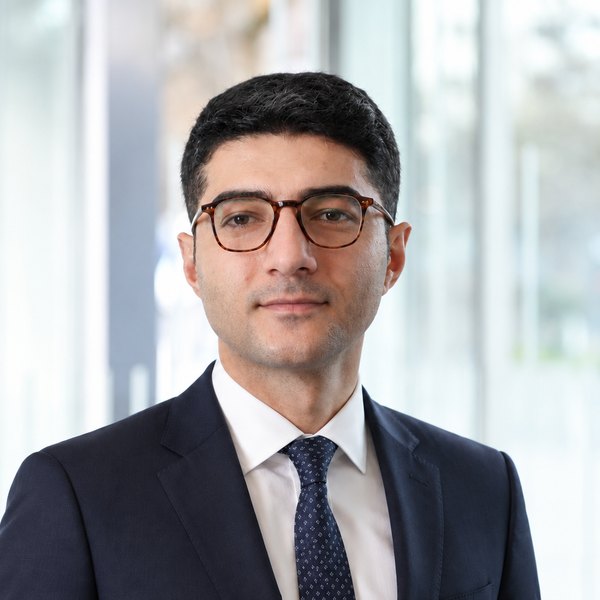
Dr. Kamran Hajiyev
University Medical Centre Mannheim, University of Heidelberg, Germany
BiographyDr. Kamran Hajiyev, MD is a Senior Consultant and Head of Neurointervention at the Clinic of Neuroradiology, University Medical Centre Mannheim, University of Heidelberg, Germany.
His clinical practice focuses on minimally invasive endovascular treatment of cerebrovascular diseases, including acute ischemic stroke, intracranial aneurysms, brain and spinal vascular malformations. His research interests include carotid and vertebral artery interventions, endovascular aneurysm treatments, stroke prevention, and optimization of neuroendovascular techniques.
Dr. Hajiyev has authored numerous peer-reviewed publications in the field of neurointervention and actively contributes to international research collaborations, education, and the development of evidence-based endovascular therapies.
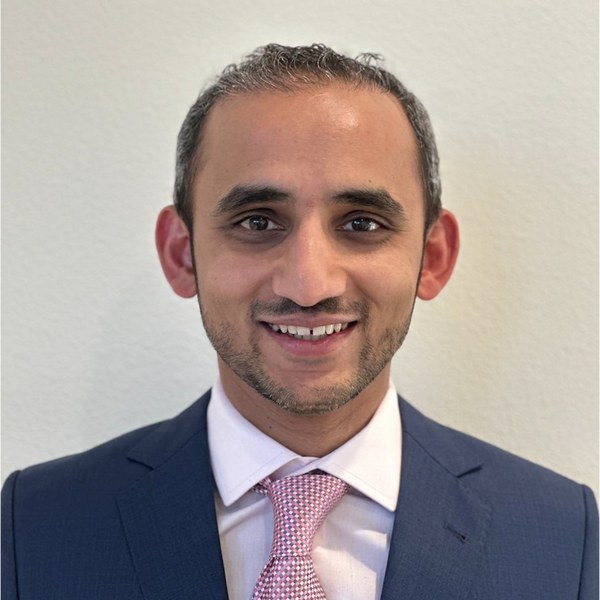
Dr. Hisham Salahuddin
Los Robles Regional Medical Center / Antelope Valley Medical Center, California, USA
BiographyDr. Hisham Salahuddin is an interventional neurologist board-certified in vascular neurology, neurocritical care, and interventional neurology, practicing in Southern California.
He serves as neurology faculty at Los Robles Regional Medical Center and Director of the Comprehensive Stroke Program at Antelope Valley Medical Center in Los Angeles, and Director of the Transcranial Doppler program at Cottage Hospital in Santa Barbara. He is an active member of the Society of Vascular and Interventional Neurology (SVIN), where he chairs the Education Committee.
Dr. Salahuddin is also the President of the Pakistan Stroke Initiative (PSI), a nonprofit organization dedicated to improving stroke care and awareness, which established the first public comprehensive stroke center in Karachi, Pakistan, a city of over 25 million people.
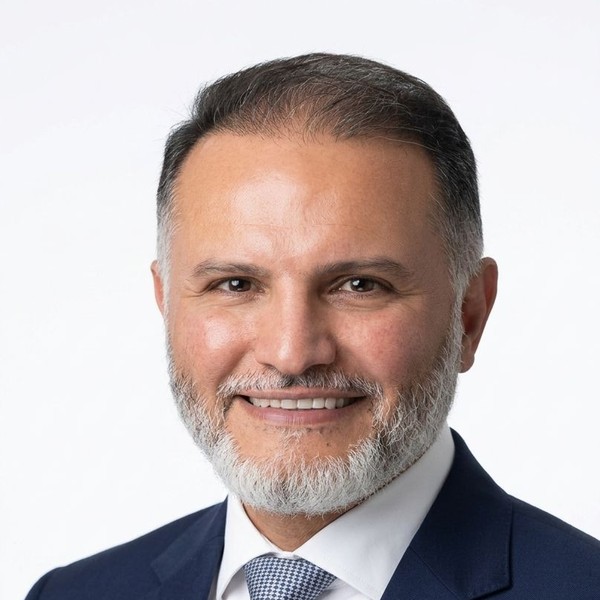
Dr. Mohammed Almekhlafi
University of Calgary, Calgary, Canada
BiographyDr. Mohammed Almekhlafi is an Associate Professor of Interventional Neurology at the University of Calgary and Medical Director of the Acute Stroke Unit.
He is a clinician-investigator who has worked on multiple clinical trials, including the ongoing REACT trial evaluating IA thrombolysis post-thrombectomy. He has published over 300 peer-reviewed articles and takes pride in mentoring the next generation of researchers, stroke neurologists, and neuro-interventionists.
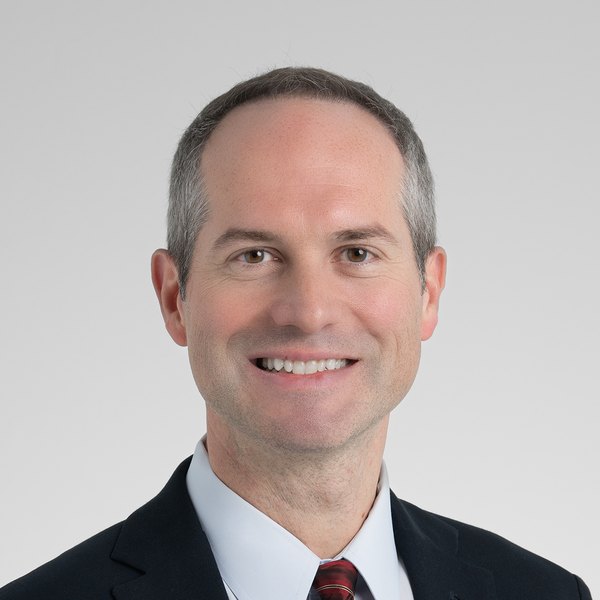
Prof. Dr. Gabor Toth
Cleveland Clinic, Cleveland, OH, USA
BiographyDr. Toth is a Professor of Neurology at the Cleveland Clinic Lerner College of Medicine in Cleveland, Ohio, United States. He is the director of the Neuroendovascular Intervention Fellowship program at the Cleveland Clinic. He serves as the Head of Education, and as the Lead of Endovascular Operations at the Cerebrovascular Center in the Neurological Institute.
He has been a local Principal Investigator and multicenter collaborator for several large national and international clinical research trials. He has research interests in both hemorrhagic and ischemic neurovascular disease with over 115 publications and book chapters, and over 250 lectures and conference abstracts on these topics.
He served as the Secretary of the Society of Vascular and Interventional Neurology (SVIN) from 2023 to 2025, and as the Chair of the Endovascular Section of the American Academy of Neurology (AAN) from 2021 to 2023. He is on the organizing committee for the 2026 SVIN Annual Meeting. He is an active member of the Vascular Neurology ABCC committee for the American Board of Psychiatry & Neurology (ABPN), and the NESAC and CESAC committees for the American Board of Neurosurgery (ABNS).
Muhammed Ezzeldin
The biography and photo of this speaker will be added soon.
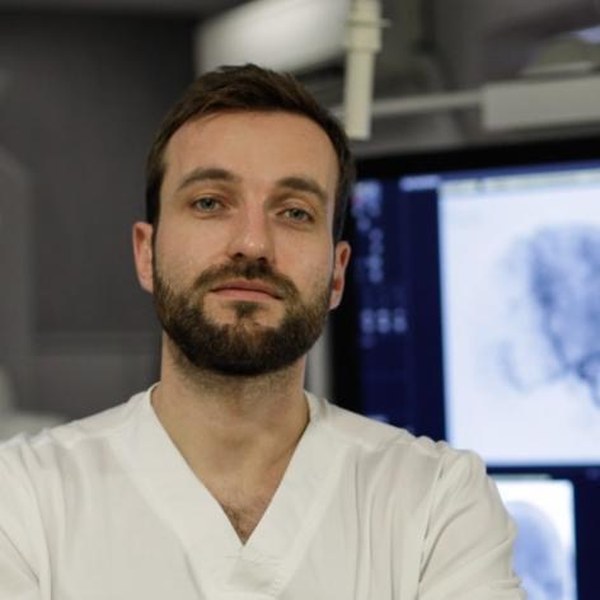
Dr. Răzvan Radu
Neurointerventional Radiology, Bucharest, Romania
BiographyDr. Răzvan Radu completed his medical studies in Bucharest and his residency in Neurology, during which he developed a strong interest in cerebrovascular disorders. In 2017, he became actively involved in the expansion of the acute ischemic stroke treatment network in Romania, collaborating with representatives of the Ministry of Health and fellow clinicians to successfully extend the national acute stroke programme — a milestone that marked significant progress toward a more modern and equitable healthcare system.
Upon completing his initial training, Dr. Radu pursued advanced specialisation abroad at the University Hospital of Montpellier, France, in Neurointerventional Radiology. He is currently dedicated to expanding access to endovascular treatment across Romania, with the goal of ensuring equal opportunities for care regardless of patients' geographic location.
Dr. Radu brings extensive procedural experience and a high case volume to his practice. He has demonstrated leadership in European funding, contributing to teams that secured two major grants — one focused on nationwide medical education and one on healthcare infrastructure. He actively participates in national and international continuing education programmes, is regularly invited to speak at scientific conferences, and was appointed Counselor to the Minister of Health in 2026.
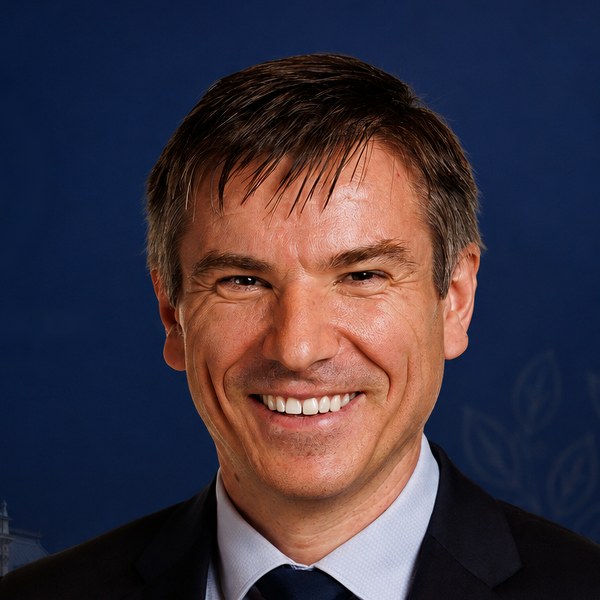
Dr. Sándor Nardai
Semmelweis University, Budapest, Hungary
BiographyDr. Sándor Nardai, MD, PhD, MBA, FESC, FEBNI is an associate professor and Head of the Stroke Center of Semmelweis University in Budapest, Hungary. He is chief of the Department of Stroke and Neurointervention and director of the neurology residency and neurointerventional fellowship programmes at the Center of Neurosurgery and Neurointervention of Semmelweis University, the largest stroke care provider in Eastern-Central Europe.
He is a cerebrovascular disease specialist with completed training and licences in interventional cardiology, neurology and neurointervention. He graduated in medicine (2008) and completed his PhD in neuroscience (2017) summa cum laude at Semmelweis University, obtained the ECMINT Diploma and the Hungarian National Licence in Neurointervention in 2018, an MBA from the Budapest University of Technology and Economics in 2021, and his habilitation at Semmelweis University in 2025. He is a Fellow of the European Society of Cardiology (FESC) and of the European Board of Neurointervention (FEBNI), and a member of ESO and ESMINT.
Alongside his broad clinical activity covering both the medical and the interventional treatment of stroke, Dr Nardai is an active member of the scientific community with high-impact publications in clinical and experimental neuroscience, including Science Advances, the New England Journal of Medicine, Nature Reviews Cardiology, the European Heart Journal and Stroke. He serves as principal investigator in international clinical trials such as ESCAPE-MeVO, LIBREXIA-STROKE and OCEANIC-STROKE.
Dr. Nabeel A. Herial
Albany Medical College / Albany Medical Center, Albany, New York, USA
BiographyNabeel A. Herial, MD, MPH, FAHA, FAAN, FANA, FSVIN, is Associate Professor of Neurology and Neurosurgery at Albany Medical College and Director of the Comprehensive Stroke Center at Albany Medical Center, Albany, New York. He also serves as Vice-Chair for Inpatient Services in the Department of Neurology, Chief of the Division of Vascular Neurology and Program Director of the Vascular Neurology Fellowship.
He received his medical degree from the University of Health Sciences in India and a Master of Public Health from the Medical College of Ohio. He completed his neurology residency at the University of Toledo College of Medicine, a vascular neurology fellowship at the University of California San Diego, a fellowship in endovascular surgical neuroradiology / interventional neurology at CentraCare Health, St. Cloud Hospital, and a CAST-accredited fellowship in endovascular neurosurgery and neurovascular critical care at Thomas Jefferson University, where he served on the faculty from 2017 to 2024 and co-directed the Global Neurology Program. He is board certified in neurology, vascular neurology and CNS endovascular surgery.
He is Principal Investigator of the Cerebrovascular Translational Research Lab (CTRL) at Albany Medical College. His research spans translational stroke research using in-vitro flow models of thrombolysis, disparities in access to stroke care, stroke systems of care and the role of artificial intelligence in patient and procedure selection. He has authored more than 150 peer-reviewed publications with an h-index of 30, serves as Associate Editor of the Journal of Neuroimaging, and is an elected Fellow of the American Heart Association, the American Academy of Neurology and the Society of Vascular and Interventional Neurology.
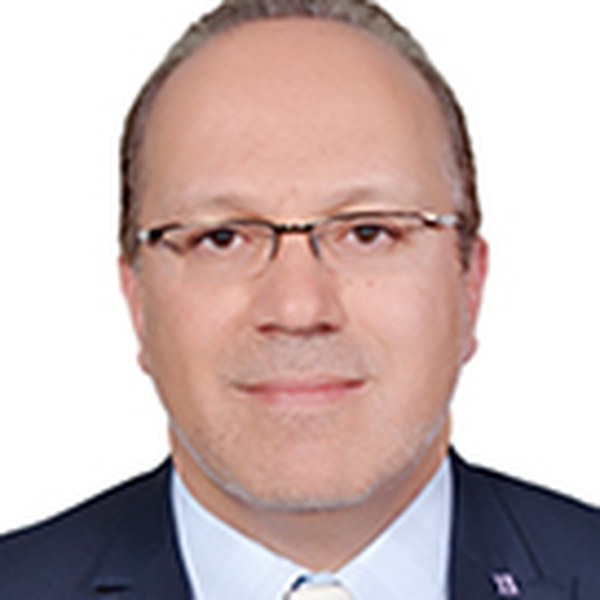
Prof. Dr. Maher Saqqur
University of Toronto / Trillium Health Partners, Mississauga, Ontario, Canada
BiographyMaher Saqqur, MD, MPH, FRCPC, is Professor of Neurology at the University of Toronto and a stroke neurologist at Trillium Hospital, University of Toronto, Mississauga, Ontario, Canada. He is Medical Director of the West GTA Stroke Program and Neurology Lead at Trillium Health Partners.
He graduated from Damascus University in 1994 and completed his residency training in Internal Medicine and Neurology at Mount Sinai School of Medicine in New York and Penn State University, followed by a stroke fellowship at the University of Alberta, where he served as staff neurologist and Clinical Professor of Medicine and Neurology from 2002. He established the Neurosonology Program at the University of Alberta and contributed to setting up its stroke program, telestroke service and mobile stroke ambulance in Edmonton, Alberta.
From 2016 to 2020 he helped establish the stroke program and built the neurosonology program at Hamad Medical Corporation, leading the neurology and stroke program there in 2019. He holds a master's degree in clinical epidemiology, has more than 200 peer-reviewed publications and four book chapters, and has received awards from the American Society of Neuroimaging, SAMS and the University of Alberta. His main research interests are neurosonology in acute stroke and the neuro ICU, and he has trained over 50 stroke fellows and more than 200 residents from around the world.
He is a founding member of MENA-SINO, the first stroke organisation in the Middle East, and a co-founder of UOSSM (Union of Medical Care and Relief Organizations). He has helped design and establish trauma hospitals, primary care centres and rehabilitation centres in war zones and refugee areas, including stroke and rehabilitation programs in Idlib and Afrin (Syria), Peshawar (Pakistan), Mogadishu (Somalia) and, most recently, a rehabilitation program at the Nasser Complex in Rafah, Gaza. He is a member of the World Stroke Organization and is involved in certifying stroke programs across the MENA region.